The Secret to Making Pizza
Pizza is more than just food—it’s an experience. The melted cheese, the bubbling sauce, the fresh toppings… all of it comes together beautifully, but let’s be honest: the real star is the crust. A perfectly crispy crust can turn a good pizza into an unforgettable one. It’s the foundation, the base, the bite that makes you close your eyes and say, “Wow.” But achieving that golden crunch isn’t always easy. Too often, making pizza end up soggy, doughy, or limp in the middle.
So, what’s the secret to making that irresistible crispy pizza crust at home? It’s not just one trick—it’s a combination of techniques, ingredients, and baking methods. Let’s dive deep into everything you need to know making pizza
1. The Flour Factor
Making Pizza
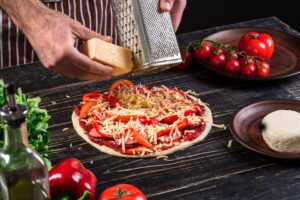
It all begins with the flour. The type of flour you use plays a huge role in the final texture of your pizza crust.
-
Bread Flour: This is the go-to for crispy pizza. It has a higher protein content than all-purpose flour, which develops more gluten. Gluten equals chew and structure—two essentials for a crisp crust that holds up under toppings.
-
00 Flour: This finely milled Italian flour is traditional for Neapolitan pizza. It creates a thin, light, yet slightly crisp crust. Perfect if you’re aiming for a wood-fired pizzeria-style pie.
-
All-Purpose Flour: It works, but it won’t give you the same chew or crispiness as bread flour. If it’s all you have, you can still make great pizza—just focus more on the other factors below.
Pro Tip: For maximum crisp, try blending bread flour with a small portion of whole wheat flour. The bran in whole wheat adds texture and crunch.
2. Hydration: Water Is Key
The water-to-flour ratio (called hydration) affects your crust’s texture.
-
Low Hydration Dough (55–60%): Produces a denser dough that bakes crispier because there’s less moisture trapped inside.
-
High Hydration Dough (65–70%): Makes a lighter, airier crust, but if not baked properly, it can turn out soft instead of crisp.
For a crispy crust, aim for around 60–65% hydration. That means if you use 1000g of flour, you’ll add 600–650g of water.making pizza
3. Kneading and Gluten Development
A crispy crust starts with strong gluten development. Kneading the dough stretches the gluten strands, giving the crust both chew and strength. Without enough gluten, the crust collapses under toppings and becomes soggy.
-
Hand Kneading: About 8–10 minutes until the dough is smooth and elastic.
-
Stretch and Fold Method: For higher hydration doughs, use gentle folds every 30 minutes during the first two hours of rising.
Don’t skip this step—proper gluten development is the backbone of a crust that bakes crisp.
4. Fermentation: Time Is Flavor
Did you know that time contributes to crispiness? Long fermentation (letting your dough rest and rise slowly in the fridge) develops not only incredible flavor but also a better structure.
-
Overnight Fermentation: Store dough in the fridge for at least 24 hours.
-
Cold Fermentation (48–72 hours): Even better! The slow rise breaks down starches and sugars, which caramelize beautifully during baking, leading to a crust that’s both crisp and flavorful.
5. The Secret of Pre-Baking (Parbaking)
If you often end up with soggy pizza, especially in the middle, try this trick: parbake your crust.
-
Roll out your dough and bake it for 5–7 minutes at a high temperature before adding sauce and toppings.
-
This creates a barrier, sealing the surface so the sauce doesn’t soak into the dough.
-
Add toppings afterward and finish baking.
Parbaking ensures a crust that stays crisp from edge to center.
6. Heat: The Higher, the Better
Here’s the golden rule: crispy pizza needs high heat.
-
Home Oven: Set it as high as it will go, usually between 475–500°F (245–260°C). Preheat for at least 30 minutes.
-
Pizza Stone or Steel: Essential for crispiness. These hold and radiate heat evenly, mimicking a brick oven. Place your pizza directly on the stone/steel for the best results.
-
Cast Iron Skillet Method: Heat your skillet on the stovetop until blazing hot, then slide the pizza in and finish under the broiler. This guarantees a crisp bottom.
The blast of heat is what creates that crunchy, blistered crust.
7. Sauce and Topping Strategy
Even if your dough and baking method are perfect, loading your pizza with too much sauce or watery toppings will ruin the crisp.
-
Sauce: Use less than you think—just a thin, even layer. If your sauce is too watery, cook it down before spreading it on the dough.
-
Cheese: Low-moisture mozzarella is best. Fresh mozzarella tastes amazing but has a lot of water—drain it well before use.
-
Vegetables: Some veggies (like mushrooms or tomatoes) release water as they bake. Pre-roast them or blot them dry before topping.
Remember: less is more. A lighter pizza bakes more evenly and crisps better.
8. The Oil Trick
Adding a bit of oil to your dough (1–2 tablespoons per batch) helps with browning and crisping. Olive oil is the classic choice—it also adds flavor.
You can also brush a thin layer of olive oil on the edges and bottom of your dough before baking. This not only prevents sticking but also encourages a golden, crunchy crust.
9. Thickness Matters
The thickness of your crust plays a big role:
-
Thin Crust: Bakes quickly and crisps up beautifully—perfect if you want that cracker-like snap.
-
Thicker Crust: Can still be crispy on the outside if baked hot and long enough, but it will be softer inside.
If crispiness is your goal, roll or stretch your dough thinner.
10. The Final Touch: Resting
Once your pizza comes out of the oven, resist the urge to slice it immediately. Let it rest on a wire rack for 2–3 minutes.
Why? If you cut it too soon, steam gets trapped under the pizza and softens the crust. Resting allows the steam to escape, keeping the bottom nice and crip
if you want more informational , click here
Conclusion:
Making pizza crust isn’t about one single trick—it’s about combining the right flour, proper hydration, good gluten development, long fermentation, high heat, and smart topping choices. With these techniques, you can transform your homemade pizza from soft and soggy to golden, crunchy, and unforgettable. The secret is simple: treat the crust as the star, and every bite will taste like pizzeria perfection.